Benefits and Uses of Ring Splints
Ring splints are small, wearable devices designed to support and protect the joints of the fingers. They are often recommended for people dealing with joint instability, arthritis, or injuries that affect finger movement. These splints are typically made from materials like metal, plastic, or thermoplastics and are crafted to fit comfortably around the finger joints. Many individuals rely on them to maintain proper alignment and reduce pain during daily activities. In the middle of understanding their importance, ring splints play a crucial role in improving hand function, while devices like trigger finger ring solutions help in managing specific finger conditions effectively.
One of the main benefits of ring splints is their ability to stabilize finger joints without restricting all movement. Unlike bulky splints, they allow users to continue performing tasks such as typing, writing, or cooking. This makes them highly practical for everyday use. People suffering from ligament injuries or conditions like hypermobility often find them extremely helpful. As patients explore non-invasive treatment options, ring splints become a preferred choice for maintaining mobility, and the use of a trigger finger ring can specifically assist in preventing the locking or catching of fingers during motion.
Ring splints are also commonly used in managing chronic conditions such as arthritis and tendon-related issues. They help reduce strain on affected joints by keeping them in a safe and supported position. This can significantly decrease pain and inflammation over time. For individuals experiencing finger stiffness or discomfort, incorporating ring splints into their daily routine can offer long-term relief, while a trigger finger ring provides targeted support for those dealing with tendon irritation that causes fingers to snap or lock unexpectedly.
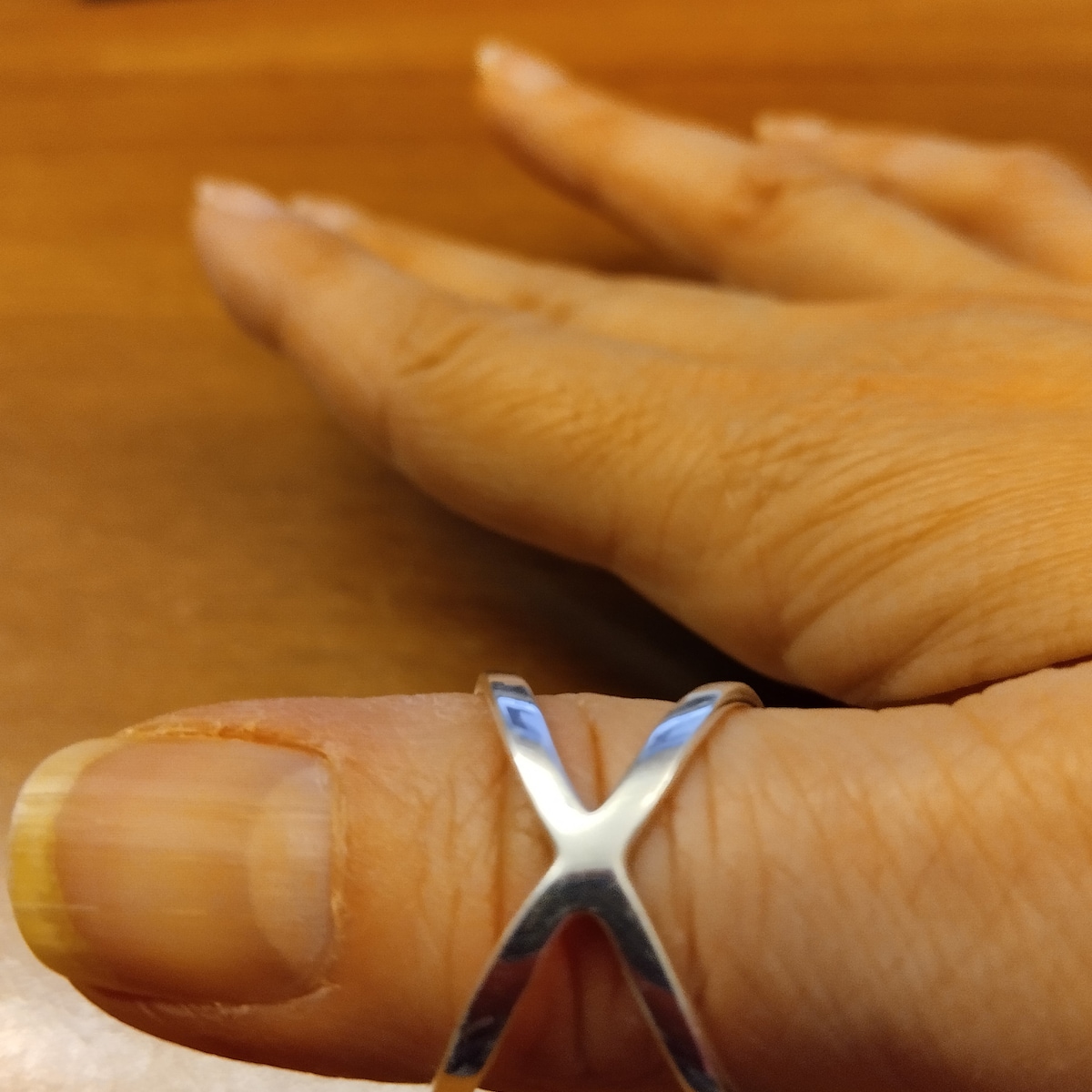
Another advantage of ring splints is their customizable nature. They can be tailored to fit different finger sizes and shapes, ensuring maximum comfort and effectiveness. Some designs are adjustable, while others are made based on precise measurements. This customization allows users to wear them for extended periods without discomfort. In the process of improving hand health, ring splints offer a personalized solution, and a well-fitted trigger finger ring ensures that the affected finger remains in proper alignment, reducing the risk of further injury.
In conclusion, ring splints are a simple yet highly effective tool for supporting finger joints and enhancing hand functionality. They are widely used by individuals recovering from injuries or managing chronic conditions. With their lightweight design and ease of use, they provide both comfort and stability. Whether used for general joint support or specific conditions, ring splints are an excellent option, and incorporating a trigger finger ring into treatment can greatly improve outcomes for those dealing with finger movement disorders.
Comments
Post a Comment